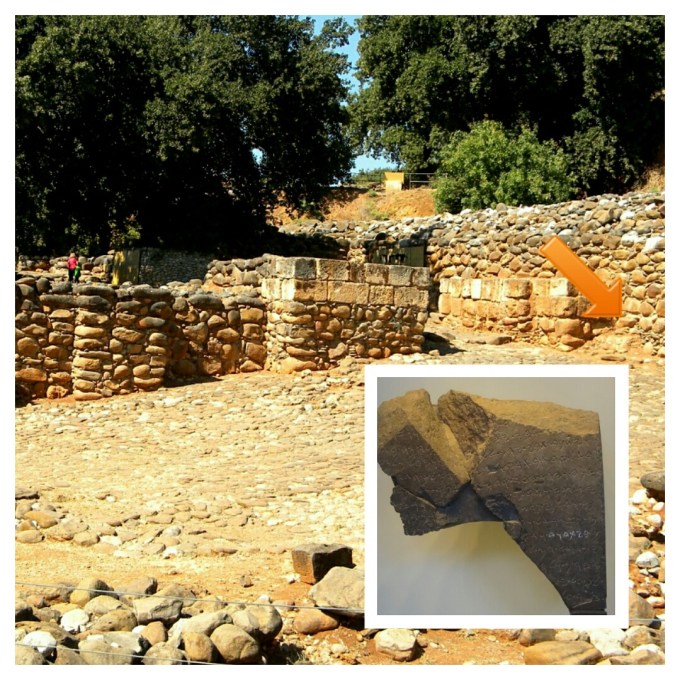
Photos by author.
It may not look impressive, but this broken monument at the Israel Museum called the “Tel Dan Stele” (inset) is considered by some to be the most important find in Biblical archeology in decades. Continue reading
Photos by author.
It may not look impressive, but this broken monument at the Israel Museum called the “Tel Dan Stele” (inset) is considered by some to be the most important find in Biblical archeology in decades. Continue reading
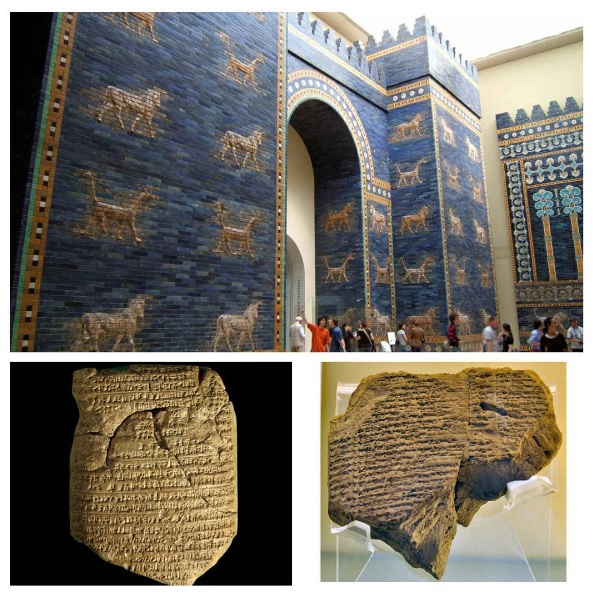
Top: Rictor Norton (CC BY SA 2.0) Wikimedia Commons. Bottom left: (CC BY-NC-SA 4.0) British Museum. Bottom right: Jona Lendering (CC BY-NC-SA 4.0) Livius.org
Post 7 – This week in #weeklybiblereadingarcheology, the exile of King Jehoichin (2 Kings 24 :12-17). At the British Museum is an official Babylonian record (Bottom left) which reads in part, “… he (Nebudchadnezzer) conquered the city and took the king (Jehoiachin) prisoner. He Continue reading
Post 6 – This week in #weeklybiblereadingarcheology, Hezekiah’s tunnel under the City of David (Jerusalem), from 2 Kings 20:20. This tunnel redirected the Gihon spring, the only source of fresh water for the city. Formerly, the spring was reached outside the main walls of the city. When Continue reading

Photos by author.
Post 5 – The siege of Lachish (2 Kings 18:13-17). Extensive archeological work has been done at Lachish (Top). Lachish was evidently the second most important city in the kingdom of Judah after the capital Jerusalem. King Sennacherib of Assyria built what he called a “palace without rival” at Continue reading

Photos by author.
Post 4 – These 3 wall reliefs are on display at the British Museum. This is the mighty Assyrian king Tiglath-Pilaser III (Bottom left) also known as Pul (2 Kings 15:19), which was apparently his birth name. The Assyrian empire was greatly expanded during his reign. He invaded the northern 10 tribe Kingdom Continue reading

(Left) Photo {{PD}} Wikimedia Commons. (Top Right) Photo by author. (Bottom Right) Photo Credit: Zev Radovan. Collection Israel Museum.
Post 3 – Jehu and Jezebel. From this weeks Bible reading, 2 Kings 9-11. At the British Museum (Left), the Black Obelisk of the Assyrian king Shalmaneser III. It contains the earliest depiction of an Israelite king (Jehu) paying tribute to the Assyrian king (Close up, top right). Although this event is not Continue reading
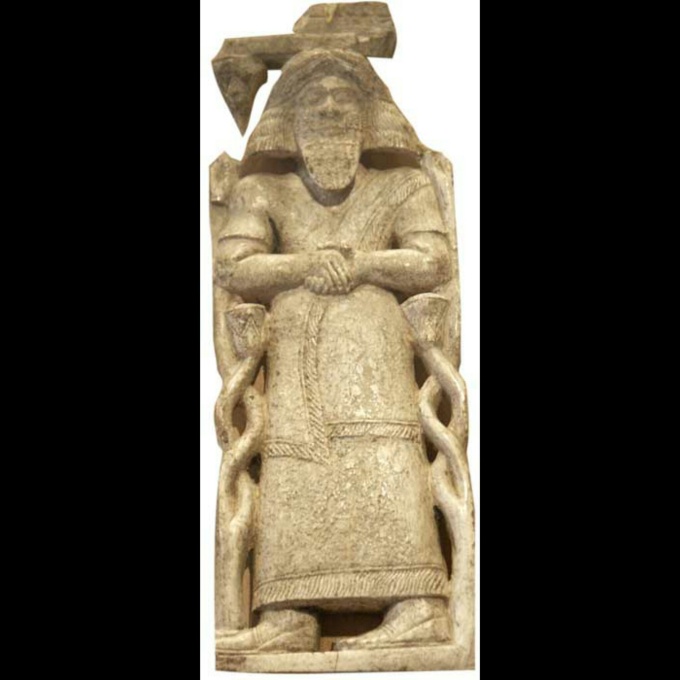
Image: {{PD}} Wikimedia Commons
Post 2 – Another Bible account corroborated by archeology! From the collection at the Louvre, this ivory piece is believed to be the Syrian usurper Hazael who we meet in this weeks Bible reading (2 Kings chapter 8). Hazael makes creative use of a wet blanket to steal the Syrian kingship from his master Continue reading
 Bible Reading Archeology


