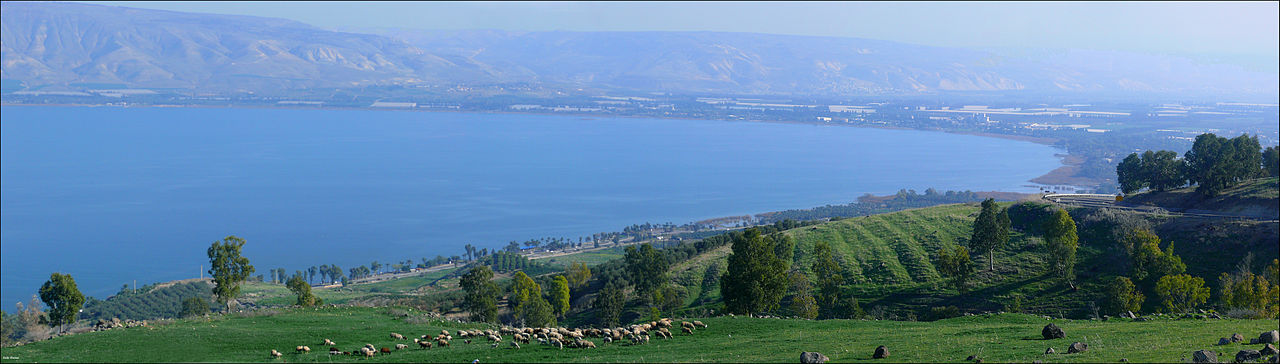
The “Jesus Boat”

Top Photo: Zachi Evenor (CC BY-SA 3.0) Wikimedia Commons. Other photo’s by author.

Post 31 – As many as 7 of Jesus 12 apostles were fishermen who plied their trade on the Sea of Galilee. Many of the most memorable accounts in the 4 gospel books take place on or near that body of water. The Sea of Galilee, is actually a freshwater lake about 21 km long and 13 km wide (it is also called “the Lake of Gennesaret” at Luke 5:1).  The lake is fed by the underground springs but primarily by the upper Jordan River, whose headwaters are found in Mount Hermon (the Golan Heights). The lake is the one significant body of water that Israel, the Palestinian Authority and Jordan all rely on for fresh water and agriculture.

By the winter of 1986, Israel, already a dry country, had experienced several years of drought. The drought had drastically dropped the water level and as a consequence, the shoreline had receded further than any local fisherman could remember. Two fishermen Continue reading

Does The Bible Have A Camel Problem?

A CNN website article asked, “Do camel bones discredit the Bible?” The Daily Mail in England wondered, “Do camels prove that the Bible is inaccurate?” The New York Times asserted, “Camels had no business in Genesis“. Fox News said, “Camel bones suggest error in the Bible, archaeologists say”. CNN’s religion blog famously asked, “Will camel discovery break the Bible’s back?” These were all headlines in February 2014. Perhaps you remember seeing a story like this? Continue reading

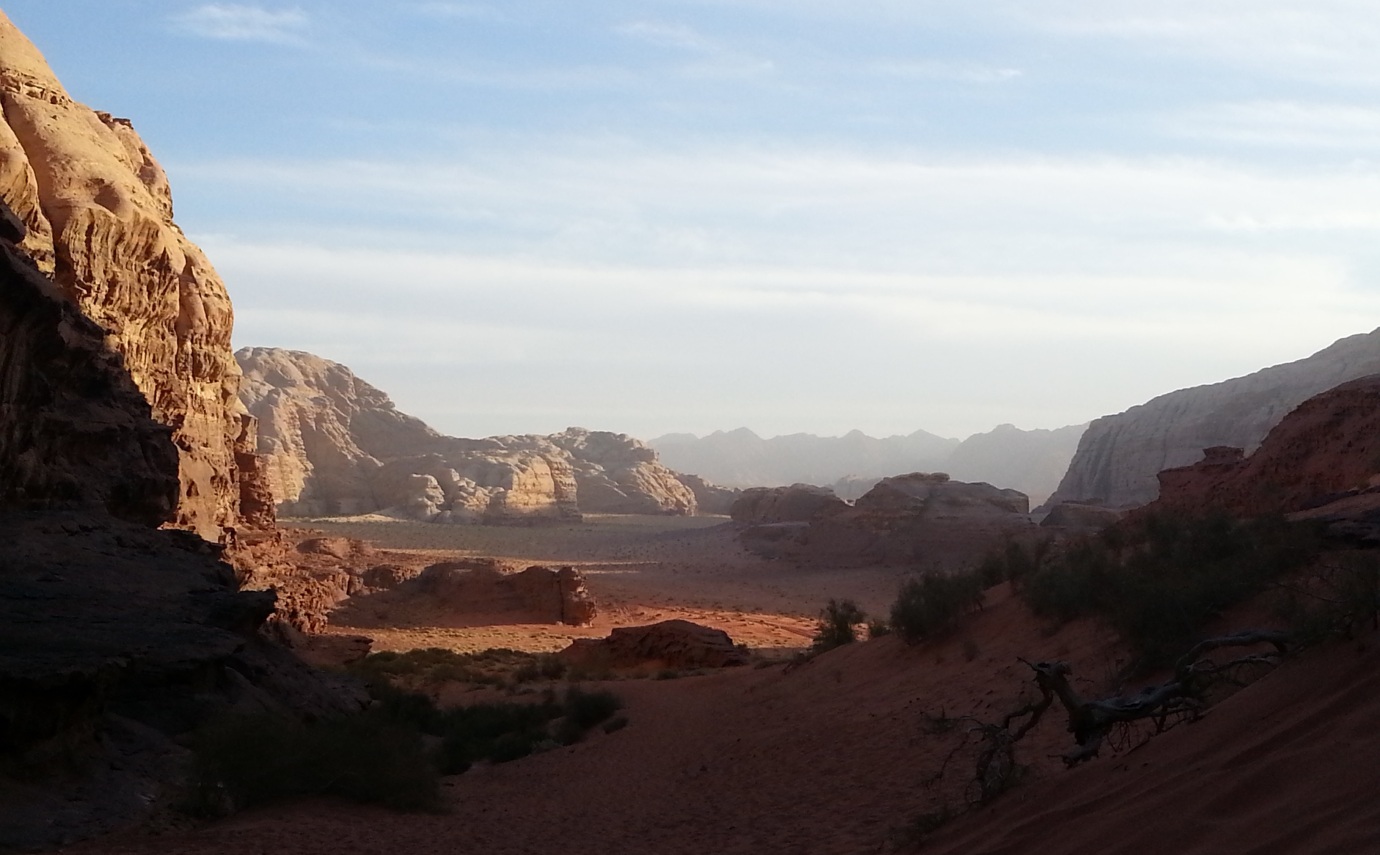
The land of Midian

Where Was The Land Of Uz?

Where was the Land of Uz?

Where was the Land of Uz? (Map and photo by author)

Post 29 – The faithful man Job lived in the “land of Uz” (Job 1:1). But where was the land of Uz? It’s tricky to identify as the name “Uz” seems to be an informal name applied by the Israelites to a region and not the formal name of a country. Job 1:3 says that Job was, “the greatest of all the people of the East.” But east of where? Continue reading

Mordecai In Ancient Records

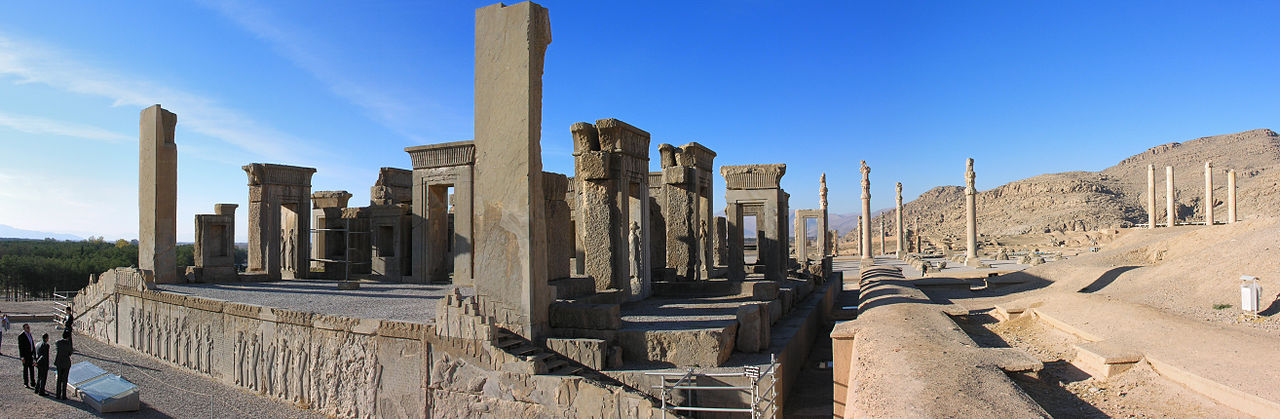
Photo Credit: Hansueli Krapf (CC-SA 3.) Wikimedia Commons

While Shushan was the winter palace of the Persian kings, the main capital was at Persepolis. Today the spectacular ruins of the palace may be visited near the city of Shiraz in Iran. In the 1930’s, archeologists working on the site excavated thousands of official Continue reading

Balaam Son Of Beor in Archeology

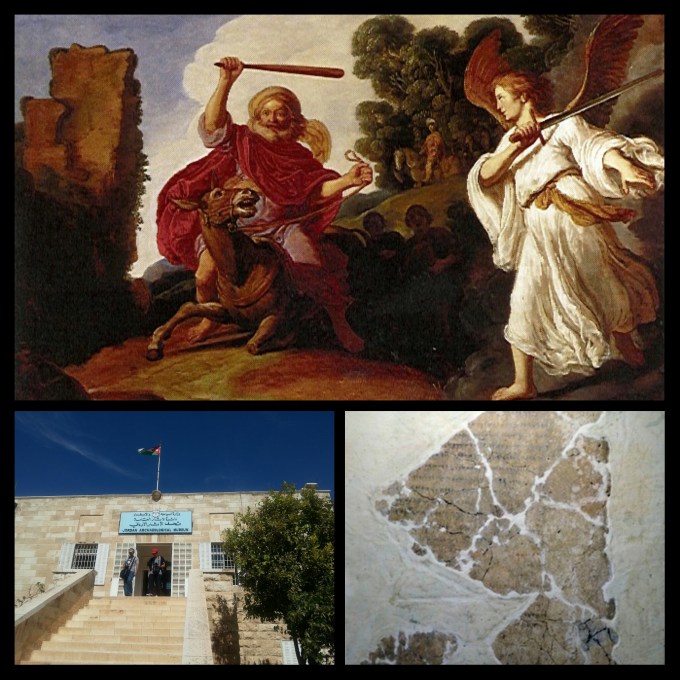
Balaam Inscription

(Top) Painting by Pieter Lastman c.1622 {PD} Wikimedia Commons. (Bottom left) Photo by author. (Bottom right) Photo credit: Jona Lendering (CC BY-NC-SA 4.0) Livius.org

Post 24 – Balaam is referenced this week in our Bible reading (Nehemiah 13 1). In 1967 Dutch archeologists working in the north of Jordan made a dramatic discovery. While excavating an ancient structure, they Continue reading

Nehemiah’s Three Opposers in Archeology

IMG_20160311_120530

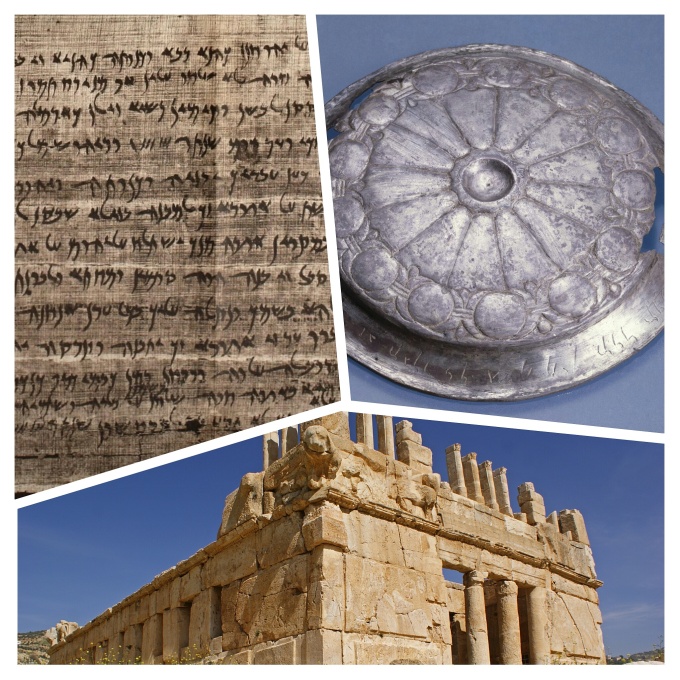
Bottom photo by Hassan Bushnaq (CC BY-SA 3.0) Wikimedia Commons . Sanballat letter photo, c1907 {{PD}} Wikimedia Commons . Geshem bowl photo from the Brooklyn Museum (CC BY 3.0).

Post 23 – Remarkably, archeology may corroborate the existence of all 3 enemies mentioned in Nehemiah chapter 6:1. The first 2 pieces may be seen at the Brooklyn Museum, which Robin and I enjoyed doing in October. The “Elephantine Papyri” (Top left) mentions “Sanballat the governor of Samaria”. Continue reading

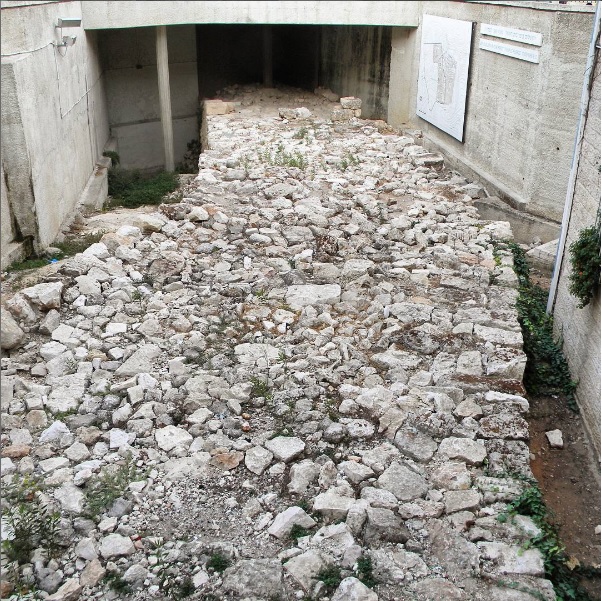
Nehemiah’s Wall Uncovered!

Broad Wall

Photo by author.

Post 22 – Some of Nehemiah’s wall survives and may be seen in a couple of places in old Jerusalem! Pictured above is the “Broad Wall” referred to at Nehemiah 3:8. It is 8 meters wide (26 ft), truly a broad wall. Continue reading