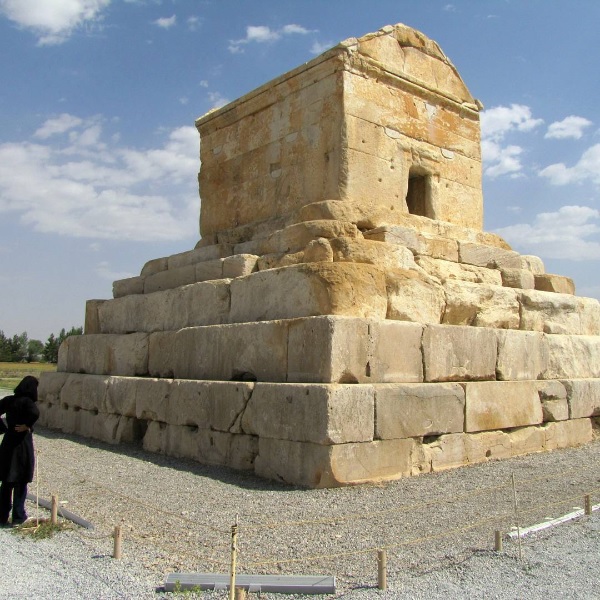
Post 21 – We read about Cyrus again this week (Ezra 6:3). In Pasargadae Iran, the tomb of Cyrus the Great may be visited to this day. The tomb is relatively modest when compared with the royal tombs of Egypt, Assyria, Babylonia and Rome, although at one time it was surrounded by a beautiful courtyard. The 2500 year old tomb survives in pretty good shape, although it was robbed of its contents not long after its construction. One reason for its survival is that it is considered the earliest example of “base-isolated” construction, making it earthquake resilient. According to ancient records, the tomb once had an inscription: “Passer-by, I am Cyrus, who gave the Persians an empire and was king of Asia. Grudge me not therefore this monument.” #weeklybiblereadingarcheology #biblereadingarcheology #biblereadingarchaeology
Photo Credit: PersianDutchNetwork (CC BY-SA 3.0) Wikimedia Commons

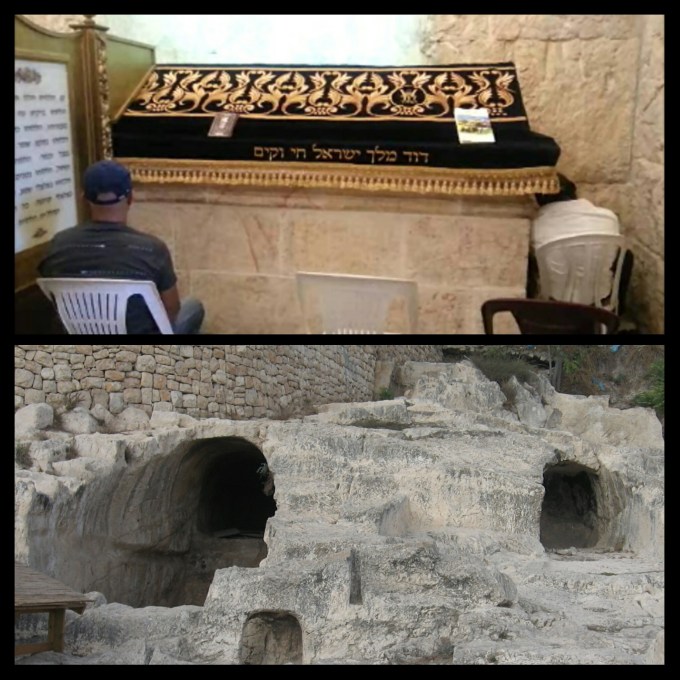 Where are the “burial places of the kings” (2 Chronicles 21:20)? On a hill to the west of the City of David is a building that claims to house King David’s tomb. Inside the building (which serves as a Synagogue, Mosque and Church) visitors will see observant Jews praying next to a stone tomb that they are convinced belongs to the ancient king (Top). However, most Jews recognize that this couldn’t possibly be David’s tomb. The building is not nearly sufficiently ancient dating back only to the
 Bible Reading Archeology

